Strategic Partnerships: The New Architecture of Digital Transformation

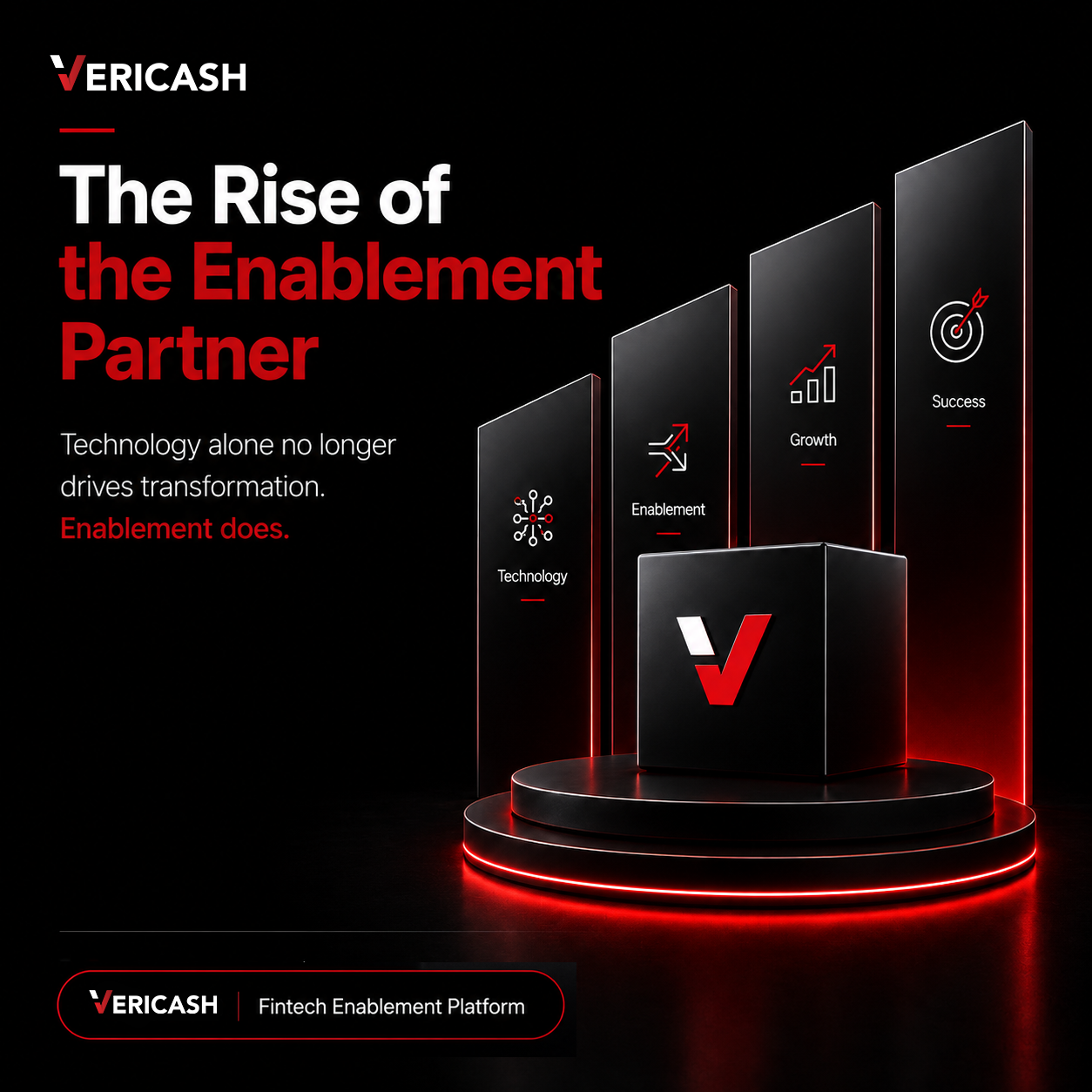
Across Africa and the MENA region, the financial services sector is racing toward a digital-first future shaped by mobile ecosystems, cloud-native platforms, open banking frameworks, and the accelerating power of AI. Yet as institutions push deeper into this new frontier, one truth continues to emerge: technology alone does not transform an organization. The real engine of progress is capability—specifically, the human, operational, and organizational capacity required to deploy technology with impact.
This is precisely where strategic partnerships are reshaping the competitive landscape.
The Shift from Vendor Relationships to Capability Ecosystems
In markets wrestling with acute digital and AI talent shortages, the old vendor-client model has become increasingly obsolete. Banks no longer need suppliers of technology; they need co-creators of capability. They require partners who align not to a contract, but to an outcome. And they need ecosystem-based models that allow them to scale intelligently, innovate continuously, and evolve at the pace of regional and global expectations.
Strategic partnerships therefore represent a fundamental departure from transactional delivery. They emphasize shared responsibility, long-term support, and the transfer of knowledge—not merely the transfer of tools. Institutions that embrace this shift are no longer “buying technology”; they are building transformation engines.
Capability as an Equally Defining Differentiator
The institutions that thrive in this period of accelerated innovation understand transformation as a journey rather than a project. They recognize that long-term performance depends on embedding expertise into their own culture and processes, not temporarily renting it. This mindset elevates capability building to the level of strategic necessity.
In this context, CIT VERICASH’s model stands out. Rather than stepping back after implementation, CIT VERICASH integrates directly into the operational fabric of its partners through dedicated Centres of Excellence—specialized capability hubs designed to function as true extensions of the institution. These CoEs assemble multidisciplinary talent across AI development, automation architecture, systems integration, product strategy, and digital operations, enabling banks to overcome the systemic talent shortages that have long slowed transformation efforts across Africa and the MENA region.
A Partnership Model Built on Shared Success
What makes this model transformative is its alignment of incentives. CIT VERICASH succeeds when its partners scale, grow, and innovate. This alignment fosters co-creation rather than one-directional delivery. It encourages institutions to move beyond dependency and instead build internal maturity over time.
Through regional collaborations—such as its partnership with CWG in Nigeria—CIT VERICASH blends global expertise with local market intelligence, ensuring that digital transformation is not only technically sound but contextually relevant. As a result, clients experience faster implementation, higher adoption rates, and more resilient operational models.
The Critical Role of Partnerships in an AI-Driven Future
As AI moves from the margins of banking into its operational core, partnerships become even more critical. AI is not a plug-and-play capability; it requires an entire lifecycle of governance, training, fine-tuning, deployment, monitoring, and evolution. Institutions that attempt to build these capabilities alone often find themselves stalled by knowledge gaps, limited capacity, or regulatory complexities.
Strategic partnerships offer the multidisciplinary expertise required to take AI from pilot stage to production maturity. CIT VERICASH’s Centres of Excellence support institutions across this full continuum, providing the operational continuity and talent infrastructure needed to scale AI safely, ethically, and effectively.
External research further underscores this point. McKinsey has found that more than half of successful digital transformations rely on strategic partnerships to accelerate capability development. Harvard Business Review describes ecosystem partnerships as “the new competitive infrastructure,” while Deloitte reports that institutions with mature partnership ecosystems deploy AI and automation several times faster than those relying solely on internal teams.
Building the Next Era of Financial Capability
CIT VERICASH’s partnership model goes beyond operational support; it represents a philosophy of co-ownership. By embedding continuous enablement, creating structured pathways to operational autonomy, and co-innovating alongside clients, CIT VERICASH ensures that transformation is not simply delivered—it is absorbed, mastered, and sustained.
As financial institutions confront accelerating shifts in AI, regulatory expectations, and consumer behavior, the most decisive question is no longer “Which technology should we adopt?” but “Who will help us build the capabilities required to make that technology matter?”
Strategic partnerships offer the clearest path forward. They create the architecture through which resilience, competitiveness, and long-term innovation can flourish. And in this new landscape, CIT VERICASH stands as a model for how capability-driven partnerships can elevate not just a technology roadmap, but an institution’s entire trajectory of growth.
.avif)


Subscribe to our Newsletter
A monthly newsletter of articles, case study, updates in the field & much more


